
Cambodia has recently attracted worldwide attention after being recognized in the 2026 Best Countries rankings for its outstanding performance in the Natural Environment category. According to international reports, the country was ranked among the top destinations globally due to its low industrial footprint, rich biodiversity, and large areas of protected land focused on conservation and sustainable development.
This recognition places Cambodia in the spotlight as one of the most environmentally significant countries in Southeast Asia, with over 40% of its land designated as protected areas, including forests, wildlife habitats, and ecological reserves.
However, this ranking does not mean Cambodia is the “perfect” environmental destination. Instead, it reflects a more complex reality where natural beauty, conservation efforts, and development challenges coexist.
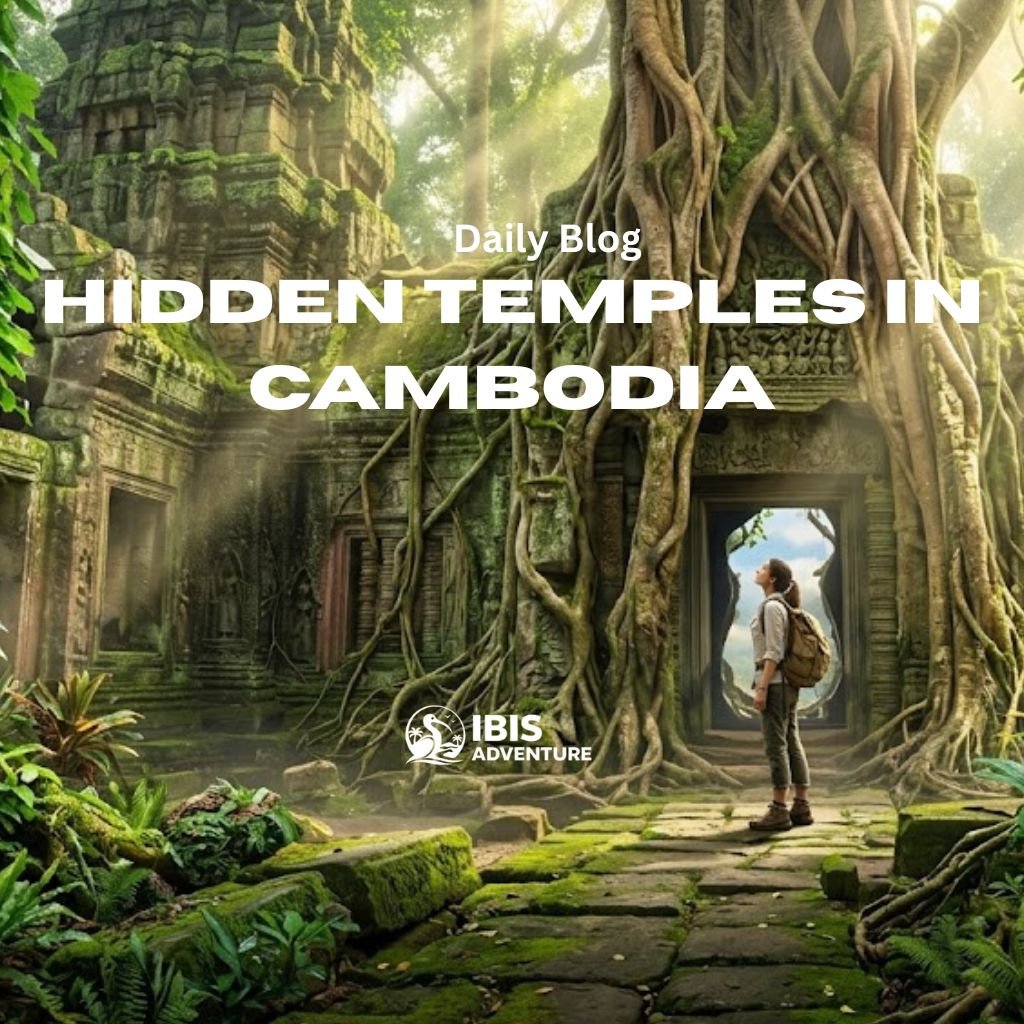
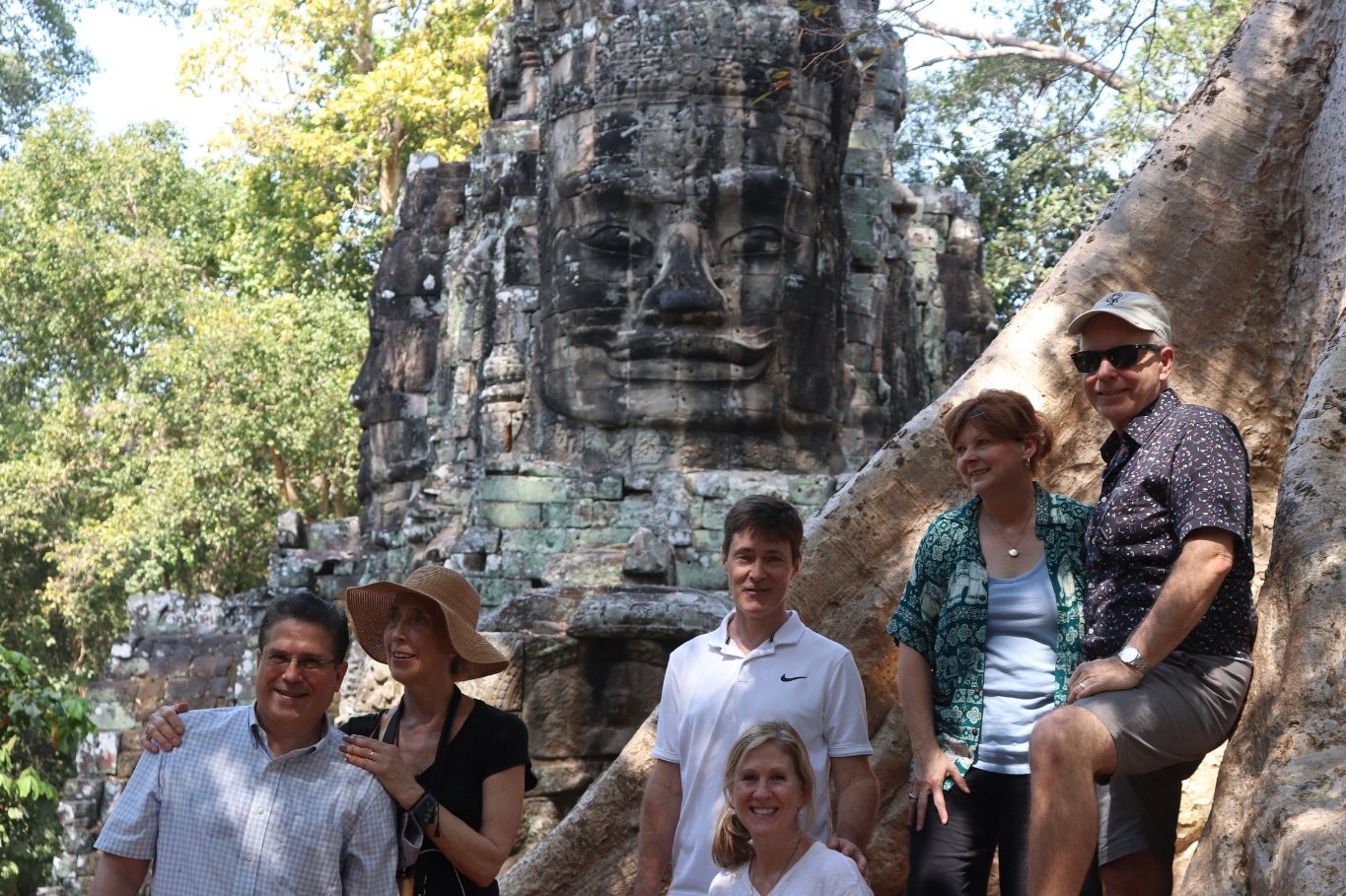
For travelers, Cambodia’s strength lies in its authentic and largely untouched natural experiences—from jungle-covered temples and Mekong river life to remote mountains, islands, and national parks. Unlike heavily industrialized destinations, Cambodia still offers wide areas where nature dominates the landscape, making it highly attractive for eco-tourism and slow travel.
At the same time, experts note that environmental rankings are based on specific indicators such as biodiversity, land use, and sustainability policies—not overall development or infrastructure quality. This means the ranking should be understood in context rather than as a simple “best country in the world” label.
For tourism, this is actually a powerful advantage. It reinforces Cambodia’s identity as a nature-rich, cultural, and off-the-beaten-path destination, especially for travelers seeking meaningful experiences beyond mass tourism. Regions like the Cardamom Mountains, Mekong ecosystems, and protected national parks are becoming increasingly important for sustainable travel in Southeast Asia.
At the same time, Cambodia is still developing its environmental infrastructure, urban systems, and tourism management. This balance between natural richness and ongoing development is exactly what makes the country unique—and why responsible tourism plays an important role in its future.
For travelers exploring Indochina, Cambodia represents something special:
a destination where nature is still powerful, culture is deeply rooted, and tourism is evolving toward sustainability and local impact.
🌿 1. Global Recognition in 2026
Cambodia was ranked highly in the Natural Environment category due to its biodiversity and low industrial footprint.
🌿 2. Strong Conservation Efforts
Around 40%+ of the country is under protected status, including forests, wildlife areas, and ecosystems.
🌿 3. Nature-Rich Travel Destination
From jungles and rivers to islands and mountains, Cambodia offers authentic eco-travel experiences.
🌿 4. Ranking Has Context
The environmental ranking is based on specific indicators, not overall economic or urban development.
🌿 5. Rising Eco-Tourism Potential
Cambodia is becoming a key destination for sustainable travel and meaningful cultural experiences.